 PoshanSense
Do cold plunges really improve immunity, mood and health?
A 2025 review and a Dutch cold-shower trial help separate possible effects from cold-plunge marketing. Sick leave is not the same as fewer illnesses.
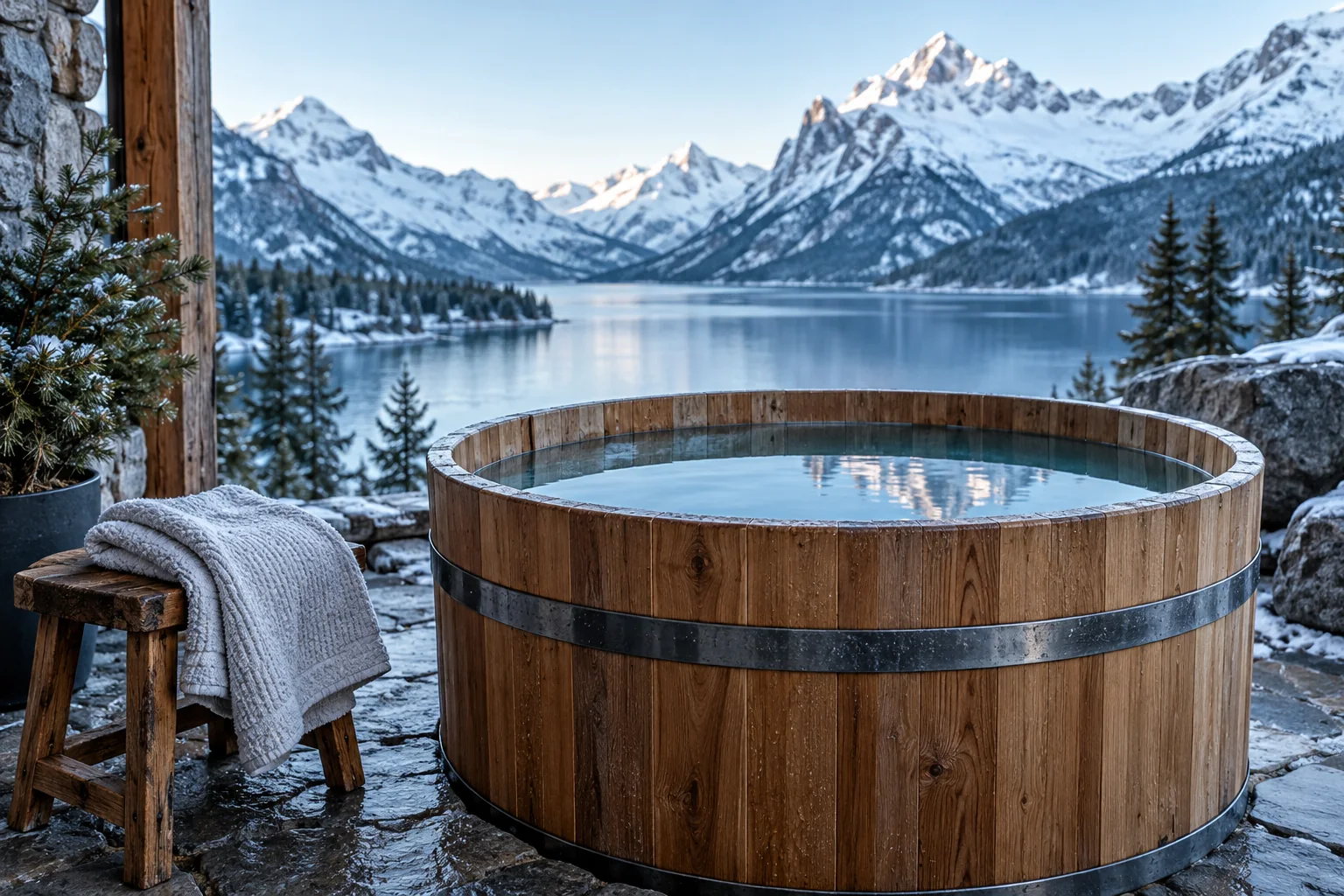
Complementary human studies · Published 2016, 2018, 2025
The ice bath has become a compact symbol of wellness: if it is uncomfortable, perhaps it must be doing something powerful. But discomfort is an experience, not a measurement of immunity, mental health or future disease.
Start with the benefit you actually mean
“Good for health” bundles together very different questions. Does cold water change a blood marker for a few hours? Does someone feel more awake? Do they catch fewer infections? Does it improve a diagnosed mental health condition? An answer to the first question cannot quietly become an answer to all the others.
A 2025 systematic review is useful because it tests several popular claims against randomized evidence rather than relying on enthusiastic testimonials.
The headline sample is bigger than the repeated evidence
The review included 3,177 participants, which sounds reassuring. But 3,018 belonged to a single Dutch cold-shower study. The remaining ten studies together involved 159 men. This is not eleven large studies independently confirming the same effects across diverse populations.
Several experiments involved a single exposure, and some used cold water after exercise. The review found short-term increases in measured inflammatory responses and time-dependent changes in stress-related outcomes. That is not evidence of a universal anti-inflammatory treatment, nor does a physiological stress measure prove relief from an anxiety disorder.
Evidence for immunity was inconclusive, mood was not clearly improved, and evidence for sleep and quality of life was sparse. The review therefore does not support the sweeping package of benefits often attached to a plunge tub.
What about the famous “29% fewer sick days” claim?
The 2016 Dutch trial randomly assigned 3,018 adults without severe comorbidity to finish showers with cold water or continue their usual routine. It found roughly 29% less self-reported absence from work due to sickness, but no clear difference in days people reported being ill.
That distinction matters. Deciding to attend work despite symptoms is not the same as preventing an infection. Outcomes were self-reported, participants knew their allocation, the sample was unusually healthy and active, and about one fifth were lost to follow-up.
It was also a shower trial, not proof that deeper, colder or longer immersion gives more benefit. A 2018 correction supplied an omitted underlying data file; it did not announce a new illness-prevention result.
Cold-water claims need different evidence
Invigorated feeling
A personal experience does not establish disease prevention.
Sick leave ≠ illness
The large shower trial changed reported absence, not illness days.
Small evidence base
Ten of eleven studies together included only 159 men.
Not risk-free
Acute breathing and cardiovascular responses matter.
More extreme is not more evidence-based
Cold water can abruptly increase breathing, heart rate and blood pressure. The review describes these immediate physiological responses, while noting that longer-term implications remain unclear. Water exposure therefore cannot be assumed safe merely because a wellness influencer looks comfortable doing it.
This article does not provide a temperature, immersion time or progression plan. People with medical conditions were commonly excluded from the relevant trials. Their safety and treatment needs cannot be inferred from healthy volunteer results.
So is a plunge worth it?
Someone may enjoy cold water and feel temporarily invigorated. That is a valid personal experience, but it is a narrower claim than improved immunity or treatment of depression. Avoid treating it as a replacement for medical care, sleep, movement or other routines with a clearer connection to your goal.
The practical research lesson is to ask for the actual outcome behind the marketing: fewer illness days, or merely fewer reported absences? Sustained wellbeing, or a small short-term measurement? Cold-water enthusiasm should leave room for those differences. The review disclosed public grant support and no competing interests. The shower trial reported no specific funding and disclosed one author’s employment by an insurer, which did not support the research. Educational article; not clinically reviewed.
Sources & further reading
- Cold-water health review (2025)
- Dutch cold-shower trial (2016)
- Cold-shower trial data-file correction (2018)
Study years differ from this article’s publication date. We reviewed full primary papers and relevant supporting material; access limitations are kept out of efficacy claims. Original illustrations and diagrams; no publisher figures reproduced. Educational writing, not clinical review.
Published 11 October 2026 · Sources checked 11 October 2026. Suggest a correction.