 PoshanSense
Can gardening help you eat better and move more?
A randomized community-garden trial offers promising behavioural results, but does not establish weight loss or a guaranteed extra serving of vegetables.
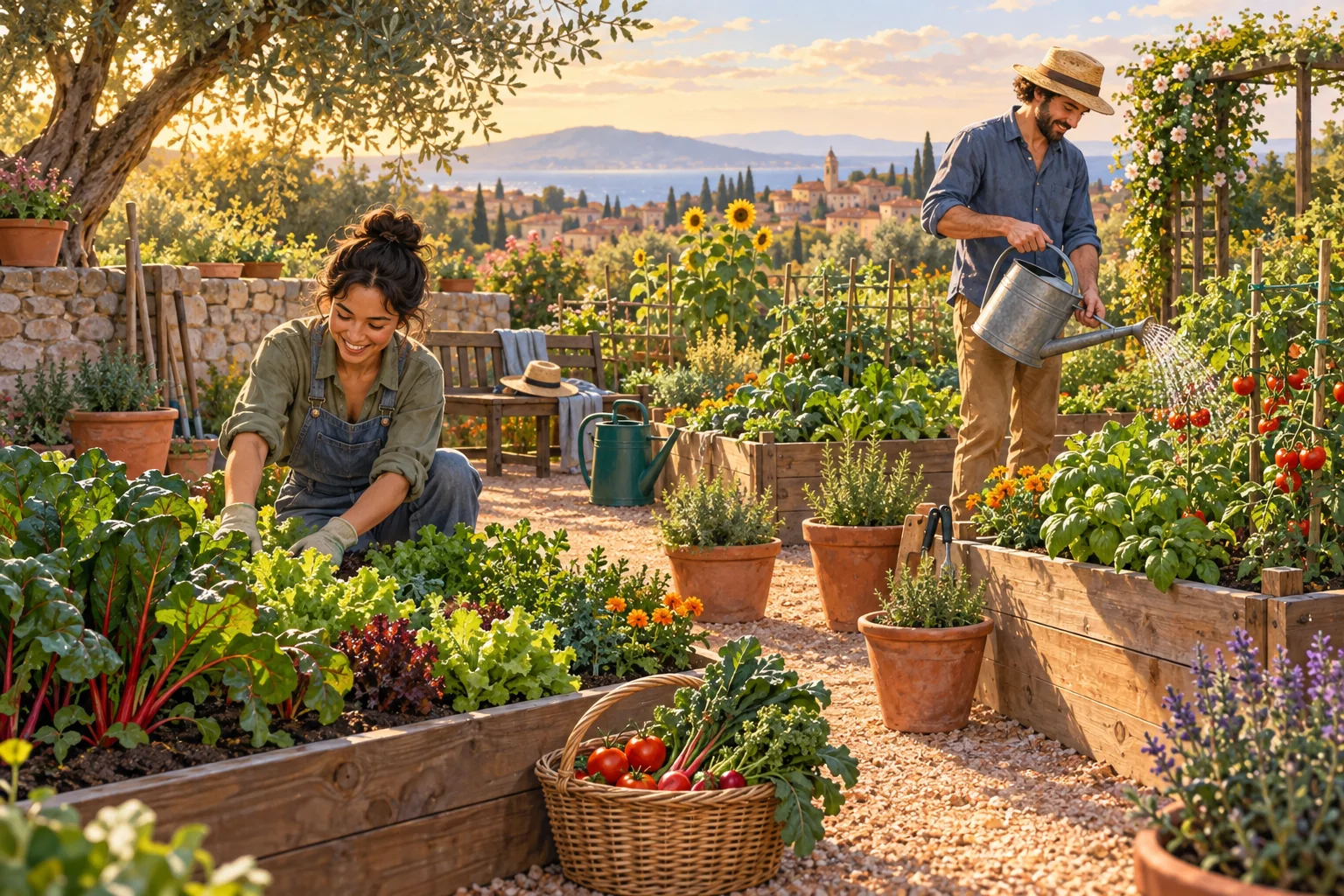
Research explained · Published 2023
A vegetable patch makes food tangible. You see the leaves grow, spend time tending them and have a reason to go outside. That can make a healthy routine feel less like a list of instructions and more like something you want to do.
What is the realistic benefit?
The strongest answer is a possible improvement in everyday habits and wellbeing, rather than guaranteed weight loss. Gardening combines several things: physical tasks, growing food, outdoor time and, in a community garden, contact with other people.
Those elements make the idea appealing. They also make it difficult to say which ingredient is responsible for any change. A seed packet and a fully supported community-garden programme are different interventions.
What changed—and what did not?
The CAPS study supports a modest, qualified answer. Fibre and activity followed more favourable patterns over time, but the specific harvest-time comparisons were uncertain. It did not show clear improvements in overall diet quality, fruit-and-vegetable intake, sitting time, BMI or waist.
That distinction keeps the useful finding intact. A promising programme need not improve every measure, and a headline about “healthier gardeners” should not become a promise about a person's weight.
A garden is a setting, not a guarantee
Food
Promising fibre patterns; no clear overall diet-quality improvement.
Movement
An activity you may enjoy doing regularly.
Weight
No clear BMI or waist advantage in this trial.
Context
Space, season, support and accessibility matter.
Do you need a large garden?
The trial does not answer that question. It studied access to community plots with resources and support. It did not compare a balcony pot, a large private garden and an allotment, or identify a minimum amount of space.
If gardening interests you, start with the practical decision: what you can maintain, access and enjoy. A local shared garden may provide help and equipment; a small container may fit your home. Those are choices about feasibility, not versions demonstrated to have equal health effects.
There is also no requirement to turn every hobby into an exercise prescription. The WHO's activity guidance recognises movement across everyday life. The amount and intensity of a task still matter; not every minute outdoors is equivalent to a brisk walk.
Can the findings travel beyond Colorado?
The idea is relevant across countries, but local conditions change the experience. Think about seasons, water, safe space, cost, physical accessibility and whether help is available. These considerations determine whether an appealing activity fits your routine.
Growing food also does not automatically determine what you eat for the rest of the day. A useful food question remains: how does the produce fit into familiar meals you enjoy?
A helpful expectation
Choose gardening because the activity is worthwhile to you. Notice whether it creates regular movement, makes vegetables more interesting or gives you an enjoyable shared task. That is more actionable than expecting one plot to deliver a laboratory-sized change in every health measure.
The American Cancer Society supported the trial. One author disclosed a commercial dietary-index interest unrelated to this work; others reported no competing interests. This educational explanation is not clinically reviewed and does not present gardening as treatment for anxiety, cancer or diabetes.
Sources & further reading
Study years differ from this article’s publication date. We reviewed full primary papers and relevant supporting material; access limitations are kept out of efficacy claims. Original illustrations and diagrams; no publisher figures reproduced. Educational writing, not clinical review.
Published 11 October 2026 · Sources checked 11 October 2026. Suggest a correction.