 PoshanSense
Can improving your diet help depression? Support matters as much as the shopping list.
An Australian trial tested supported dietary change alongside usual depression care. What improved, what remains uncertain, and why food is not a substitute for treatment.
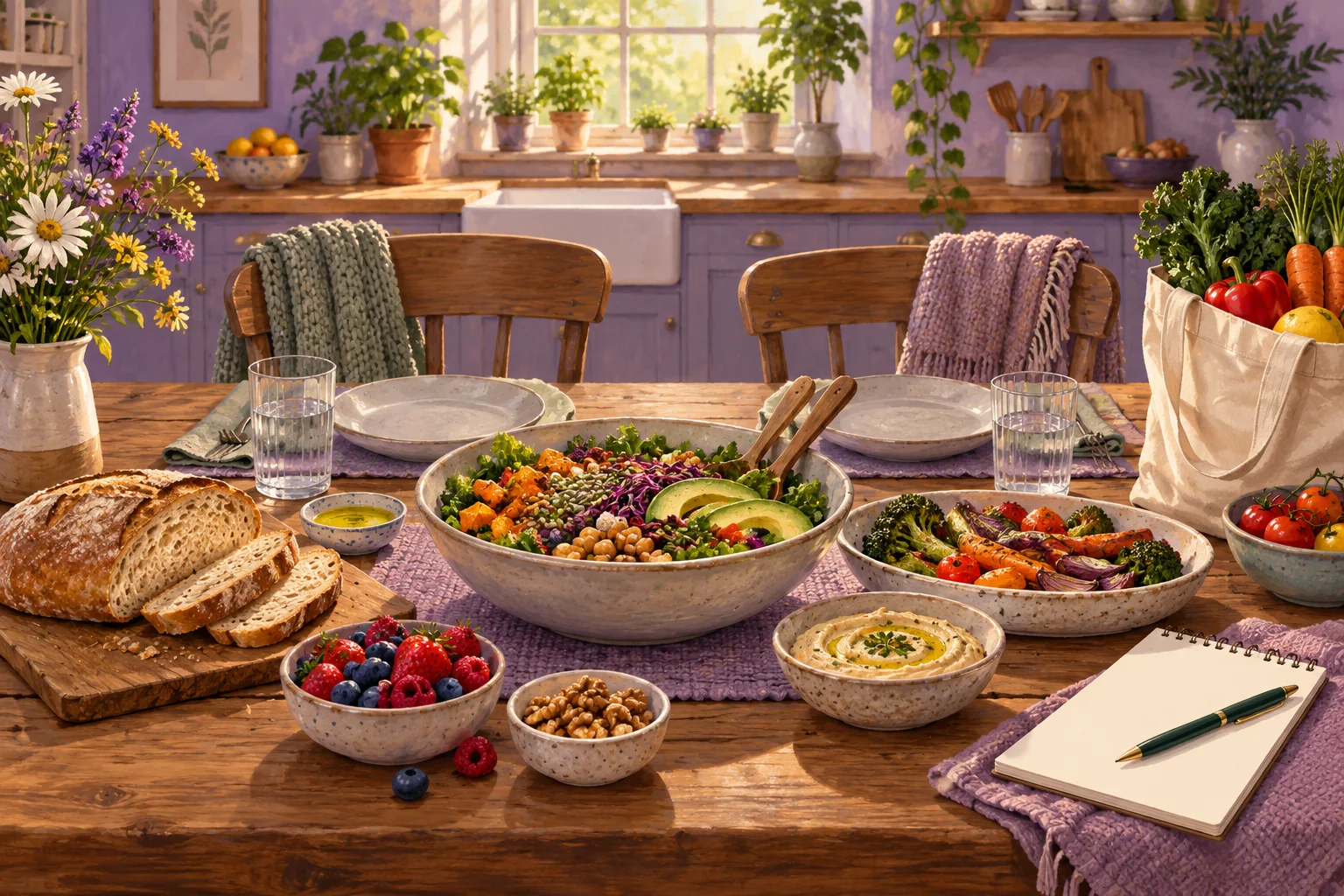
Research explained · Published 2017; correction 2018
When someone says “eat better and you will feel better”, a reasonable response is: what does better mean, and what if making dinner already feels impossible? Depression can affect appetite, energy, shopping and cooking. An answer that ignores those barriers misses the everyday reality.
The useful research question is whether helping people improve their overall eating pattern can add something to their care. It is quite different from asking whether a handful of blueberries will fix a difficult week.
What changed in the trial?
In the SMILES trial, adults with a major depressive episode and relatively poor diet quality received either dietary support or befriending visits. The latter involved conversation and activities, so the comparison included attention and social contact. Participants continued their usual treatment; many were already receiving medication, psychological therapy or both.
The dietary group worked with a dietitian on a whole eating pattern: more vegetables, fruit, whole grains, legumes and other ordinary foods, and fewer discretionary snacks and drinks. They received recipes, goals and practical support. This was not a weight-loss diet and it was not simply a leaflet handed over at the door.
After 12 weeks, the estimated average improvement in depression symptoms was about 7.1 points greater in the dietary group on a scale running from 0 to 60. That is an encouraging result. It is also an average from a small trial, not a prediction of how much any reader would improve.
Can improving your diet help depression? Support matters as much as the shopping list.
Supported change
Dietitian sessions and practical help, not a single superfood.
67 randomised
56 attended the 12-week endpoint assessment.
Symptoms improved
About 7 points greater average improvement on a 0–60 scale.
Keep clinical care
A promising adjunct; no replacement for treatment.
Why the result is not a food prescription
The intervention combined food changes with professional contact, encouragement, planning and a starter food hamper. The study cannot tell us which ingredient or aspect of that support mattered most. It also did not establish that a vegetarian, meat-containing or culturally specific menu is uniquely required.
People could not be blinded to whether they were seeing a dietitian. A 2018 correction clarifies that recruitment material and consent information described the possibility that dietary improvement could help depression. Expectations may therefore have affected reported experience. Outcome assessors were masked, which helps, but does not erase this limitation.
There were also more missing follow-up assessments in the social-support group: 25 of 34 attended, compared with 31 of 33 in the dietary group. The authors tested assumptions about those missing outcomes, but a larger, more representative trial remains important. Participants had been selected for poor diet quality, so the findings are not automatically transferable to everyone with depression.
Make nourishment easier, not more demanding
The practical implication is to consider food support as an addition to care. A manageable first step might be arranging regular meals, keeping an easy breakfast available, or getting help with groceries. Examples include oats and yogurt, toast with eggs, rice with dal, or a simple bean soup. These are convenient food ideas, not menus proven to reproduce the trial result.
If a complicated “perfect” plan makes eating harder, it is not meeting that need. Budget, access, appetite, medical restrictions and cultural preferences all matter. Someone already eating a varied diet should not assume that increasingly restrictive eating will produce an increasingly large mood benefit.
Persistent depression deserves professional assessment and care. Discuss substantial diet changes with the care team, especially if appetite loss, medication effects or an eating disorder are involved. Do not stop prescribed treatment because a nutrition headline sounds promising. If you feel unsafe or have thoughts of self-harm, seek urgent local help.
What to take from this
Food is part of daily care, and supported dietary improvement is a credible research direction. It should increase available support rather than add blame. A meal journal can describe what has been easy or difficult to eat; it cannot diagnose depression or tell whether a food caused a mood change.
The study was publicly funded with food-voucher and product support; a meat-industry grant funded biochemical work. Authors disclosed research and commercial relationships. Those disclosures are another reason to assess the trial design and results rather than treat its menu as the only correct approach.
Sources & further reading
Study years differ from this article’s publication date. We reviewed full primary papers and relevant supporting material; access limitations are kept out of efficacy claims. Original illustrations and diagrams; no publisher figures reproduced. Educational writing, not clinical review.
Published 11 October 2026 · Sources checked 11 October 2026. Suggest a correction.