 PoshanSense
Is keto better than a Mediterranean-style diet for blood sugar?
A small direct comparison found a trade-off, not a universal winner. Understand blood sugar, cholesterol and the foods each diet leaves out.
Complementary human studies · Published 2022
“Cut the carbs” sounds wonderfully simple until lunch arrives. Does that mean removing sugary drinks, or also saying goodbye to beans, fruit and whole grains? Those are different decisions. The useful question is whether the extra restriction adds enough benefit to justify what it removes.
Start with the answer you can actually use
There is no universal winner in this comparison. A diet can improve glucose measures while creating a less favourable cholesterol result, and a plan that works with intensive support may be difficult to keep using at home. Calling one diet best hides those trade-offs.
It also helps to name the comparison. Keto against someone's usual eating is not the same test as keto against a carefully supported diet that already removes added sugars and refined grains. If both approaches change those habits, both can improve from where participants started.
What changed—and what did not clearly differ?
In the Keto-Med primary report, HbA1c improved from baseline with both diets, but the main comparison between diets was not statistically significant. HbA1c reflects longer-term glucose exposure; it is not the same as a reading after one meal.
The secondary results went in different directions. Triglycerides fell more on keto. LDL cholesterol rose on keto while falling on Mediterranean-plus. That combination matters: a lower result on one laboratory measure cannot cancel a higher result on another by simply averaging them.
Some sensitivity analyses favoured keto for HbA1c, including an analysis excluding people with different sulfonylurea doses between diets. Those checks deserve mention, but they do not erase the small sample or replace the main analysis with a more exciting headline.
A diet can improve one measure and worsen another
Shared foundation
Both trial diets emphasised nonstarchy vegetables and restricted added sugars and refined grains.
Main glucose outcome
No significant difference in the primary HbA1c comparison.
Different trade-offs
Triglycerides favoured keto; LDL cholesterol favoured Mediterranean-plus.
Personal fit
Medical safety and a sustainable food routine cannot be decided by a diet label.
What did the diet labels mean here?
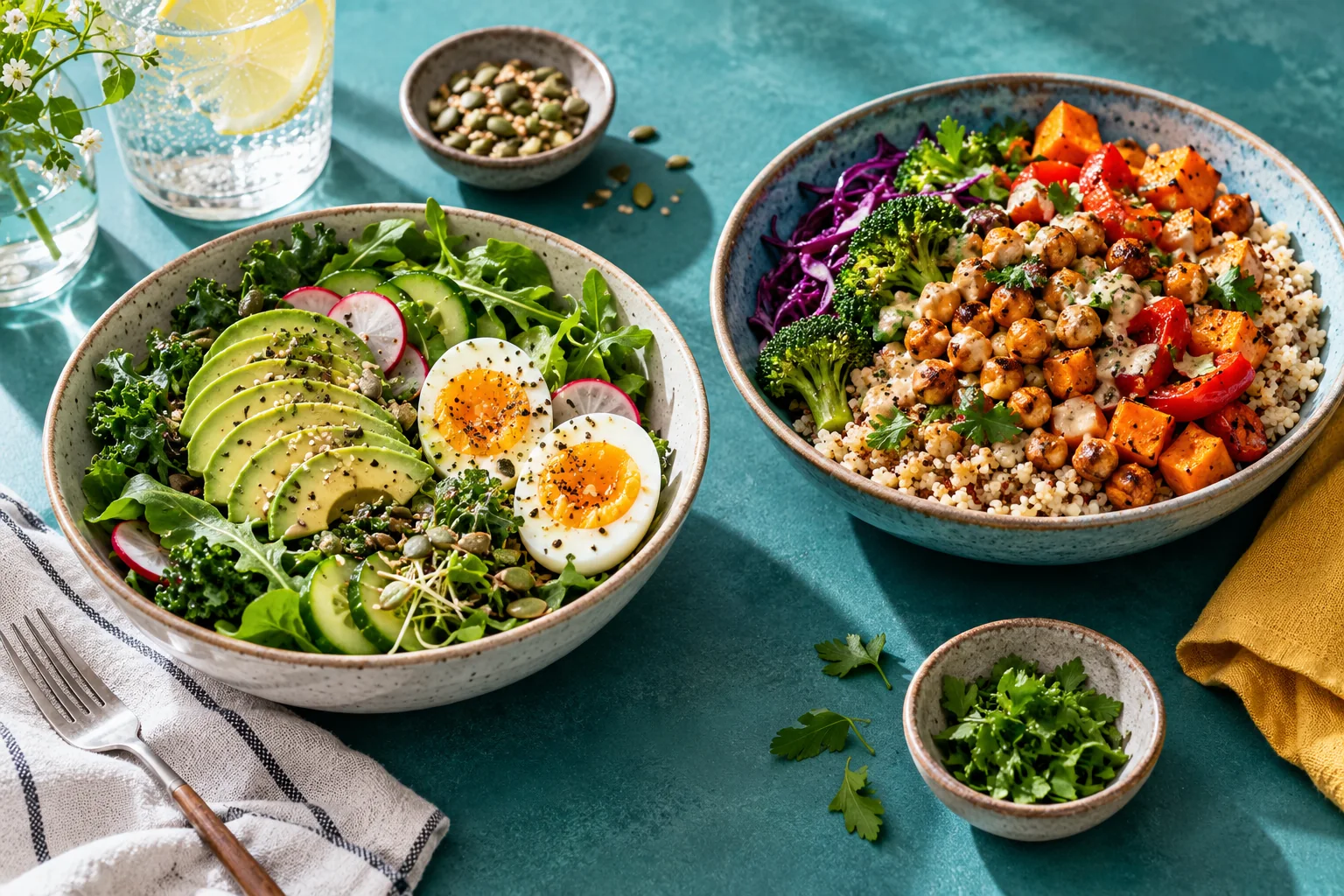
Both diets included nonstarchy vegetables and discouraged added sugars and refined grains. The key contrast was that Mediterranean-plus included legumes, whole fruit and whole, intact grains, while keto restricted these foods to achieve a much lower carbohydrate intake.
The researchers supplied meals initially and provided regular dietitian support. This was not a test of every internet keto menu or every dish called Mediterranean. A plate dominated by butter and processed meat should not borrow the credibility of a different, carefully designed intervention.
Food delivery also made the first weeks easier. Participants later bought their own food, when adherence became more variable. That is a useful reminder that an eating pattern includes shopping, cooking and family routines, not only its macronutrient target.
Does a better glucose reading settle the health question?
No. The trial did not measure whether either approach prevented heart attacks, prolonged life or eliminated diabetes complications. Glucose, blood lipids and clinical events sit at different points in the evidence chain.
The corrected Spanish PREDIMED trial provides longer-term cardiovascular evidence for supported Mediterranean patterns in older, high-risk adults. It was not a keto comparison. Its original report was replaced after assignment irregularities, so its evidence needs that context too. Combining studies means respecting their different questions.
Can you use the idea outside California?
The practical decision travels: which familiar foods would disappear, what would replace them, and could you keep the routine? In one kitchen that may involve beans or lentils; in another, bread, fruit or a grain bowl. Geography changes the menu and the effort, not the need to consider the whole pattern.
The trial does not prove that every local adaptation produces identical results. It does help challenge the assumption that removing more food groups automatically gives a better overall outcome. Consider food quality and what remains on the plate, not just the amount removed.
A discussion to have before a major change
If you have diabetes or take glucose-lowering medication, discuss substantial carbohydrate restriction with your care team. This trial used medication adjustments and excluded some medicines and conditions. Its supervised instructions are not a safe self-treatment protocol.
A useful conversation includes your glucose results, cholesterol, nutritional adequacy and the meals you can maintain. You do not have to choose a permanent dietary identity before asking those questions. The evidence supports an informed choice, with monitoring where appropriate, rather than a universal keto prescription.
Evidence context: the study reports philanthropic gifts and NIH support, no author conflicts, and no funder role in design, analysis or publication. It was not clinically reviewed for this article.
Sources & further reading
Study years differ from this article’s publication date. We reviewed full primary papers and relevant supporting material; access limitations are kept out of efficacy claims. Original illustrations and diagrams; no publisher figures reproduced. Educational writing, not clinical review.
Published 11 October 2026 · Sources checked 11 October 2026. Suggest a correction.