 PoshanSense
Do smaller plates help you eat less?
Changing a plate is not the same as changing the food portion. UK randomized experiments explain why the popular smaller-plate trick is uncertain.
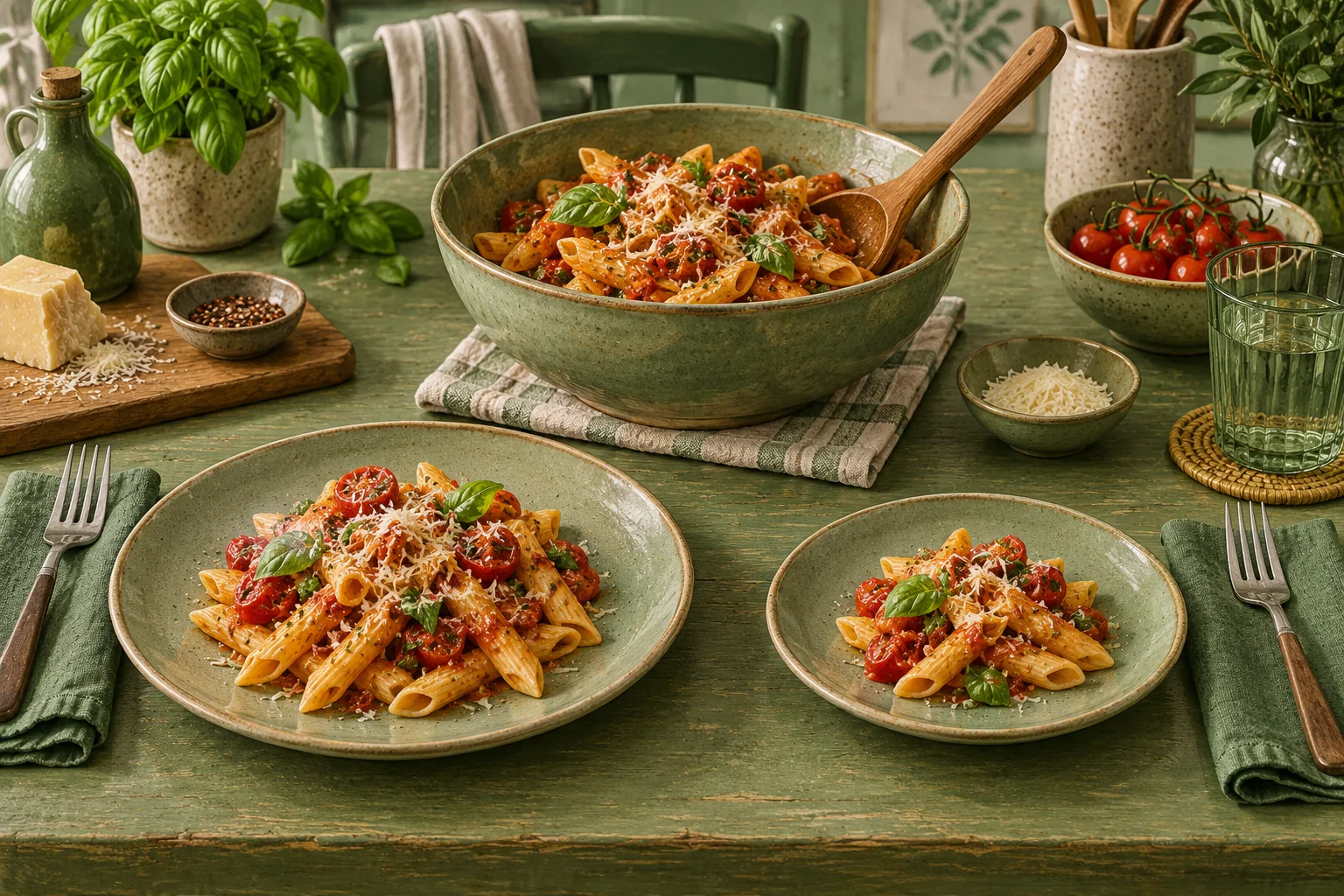
Research explained · Published 2019 & 2021
Two plates, the same dinner, an effortless change in appetite: that is the promise behind a familiar kitchen tip. The research suggests asking a simpler question first. Did you change the plate, or did you change the food?
The plate alone is an uncertain tool
In a UK randomized experiment, adults served themselves lunch using a smaller or larger plate. The difference in energy consumed was small and not clear enough to conclude that plate size caused a reduction.
This does not prove plates can never matter. It does challenge the claim that swapping crockery is a reliable, automatic appetite trick. A null result deserves a place beside the attractive demonstration photographs.
A smaller portion asks a different question
A pooled analysis of three UK experiments included 111 adults. Researchers changed the amount initially served, with additional main-course food or dessert available. Most participants consumed less energy at lunch when the starting portion was smaller.
The important difference is the food quantity. That is a more direct change than surrounding an unchanged amount with a different rim. The experiments did not establish that everyone should eat a particular percentage less or that the same reduction would persist across an entire day.
Plate, portion and daily pattern are different
Plate diameter
Changing the surface did not clearly change intake in the UK trial.
Food served
Smaller initial portions reduced meal intake for most in separate experiments.
More available
Participants could still take additional food.
Whole day
A lunch result is not a guaranteed long-term weight result.
What does this mean at your table?
A plate can still be useful if it helps organize a meal you find satisfying. It becomes less useful when its size is treated as a substitute for understanding the serving. A small bowl filled deeply can hold more than a large plate with a shallow layer.
Think about the amount and composition together. Rice or pasta, vegetables, protein-containing foods and sauces all contribute differently to a meal. Two plates that look equally full need not provide the same energy or nourishment.
Do not turn a laboratory contrast into a diet rule
The portion experiments deliberately created distinct conditions so researchers could measure a response. They were not assessing whether halving meals is healthy for the reader. Adequacy depends on the person, the meal and what is eaten elsewhere.
Children, people recovering from illness, pregnant people and those with eating-disorder histories need different considerations from a controlled adult lunch experiment. A visual trick should not become pressure to ignore hunger or follow an unsuitable restriction.
Make the question easier to answer
If portions are confusing, use the package serving information or an occasional measurement to learn what an ordinary serving looks like in your own bowl. That is a way to build familiarity, not a requirement to weigh every bite forever.
Notice additions as well as the main course: oils, sauces, drinks and seconds can make the plate-size story incomplete. A realistic description of the meal is more informative than guessing from the diameter of the dish.
The useful takeaway
Keep smaller plates if you like them. Just do not expect crockery to do the work of a considered eating pattern. The stronger experimental signal concerns the food served, while long-term outcomes remain a separate question.
It is a more ordinary answer than a magic plate trick, but also one that travels better across cuisines: understand your serving and whether the meal meets your needs.
Evidence context: the plate study reported Wellcome Trust support. The portion analysis reported UK research grant support and no funding role in design or analysis; its source extraction incompletely rendered funder names. Educational information; not clinically reviewed.
Sources & further reading
Study years differ from this article’s publication date. We reviewed full primary papers and relevant supporting material; access limitations are kept out of efficacy claims. Original illustrations and diagrams; no publisher figures reproduced. Educational writing, not clinical review.
Published 11 October 2026 · Sources checked 11 October 2026. Suggest a correction.