 PoshanSense
Can herbs and spices lower blood pressure, or just make food taste better?
A controlled US feeding trial found small changes in ambulatory blood pressure, but no clear LDL or clinic-pressure benefit. What that means for everyday seasoning.
Research explained · Published 2021
Cumin in dal, oregano in beans, or ginger in a stir-fry can make familiar ingredients more enjoyable. But a claim that spices “lower blood pressure” needs another question: compared with what, and how much?
A trial that serves meals with measured seasoning is more relevant to cooking than a capsule study. Even so, a positive result on one blood-pressure measure does not mean adding extra cinnamon to every meal is a treatment plan.
What was actually different on the plate?
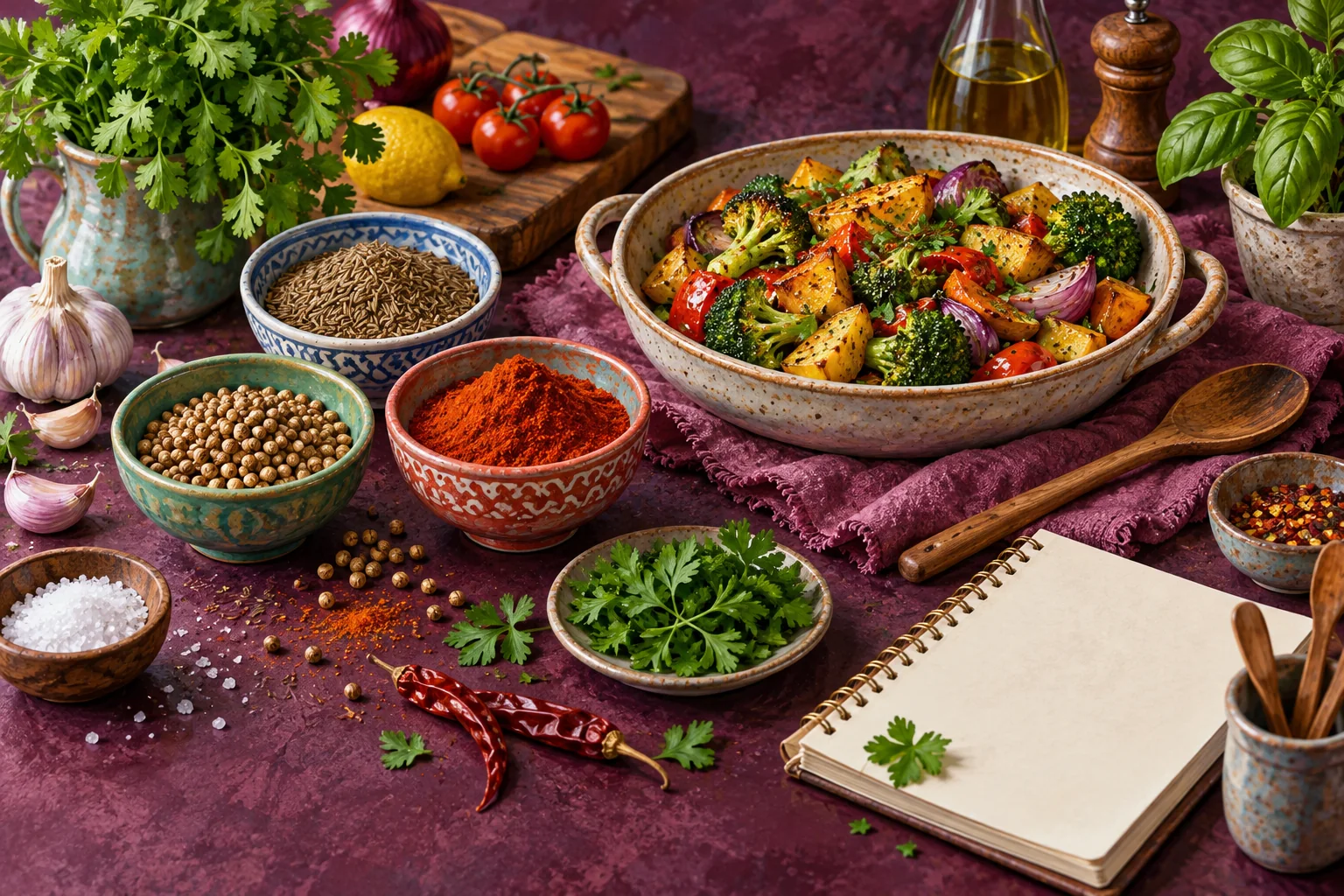
In a 2021 US controlled-feeding study, participants ate the same background menu with different quantities of a mixed set of herbs and spices. At a 2,100-calorie level, the target totals were approximately 0.5, 3.3 and 6.6 grams per day. These were research-menu quantities, not recommended doses for readers.
The mix included 24 seasonings across a seven-day menu. Participants moved through all three diets in a random sequence. The study therefore compared people with themselves, while holding much of their food intake steady.
The highest-spice diet produced about 1.9 mmHg lower average 24-hour systolic pressure than the moderate-spice diet. The high-versus-low systolic comparison was not statistically clear. Average 24-hour diastolic pressure was about 1.5 mmHg lower with high versus low intake. These are small average differences, not a dramatic fall for every participant.
Can herbs and spices lower blood pressure, or just make food taste better?
Same base menu
The trial varied spice quantity, not a whole healthier diet.
Small pressure differences
Around 1–2 mmHg in some 24-hour comparisons.
Primary result was null
No clear between-diet LDL improvement.
Seasoning, not treatment
No supplement or spice prescription established.
The null findings matter too
The trial’s primary outcome was LDL cholesterol, and there was no clear between-diet effect. Clinic blood-pressure measurements, glucose markers and measured vascular function also did not clearly differ between the diets. Leaving those findings out would make the spice story look more convincing than it is.
Several secondary outcomes and comparisons were tested. The authors acknowledge the increased chance of a false-positive result when many tests are performed. The result is interesting enough to investigate further, but it does not establish a dependable dose-response rule.
It cannot tell us which spice did the work either. Different mixtures were used on different days. Turning the result into “turmeric lowers your pressure” or selling one component as the proven active ingredient would go beyond the experiment.
There are two separate ways seasoning might help
The first is the biological effect of the mixtures themselves, which this trial explored. The second is practical: seasoning may make a less salty meal easier to enjoy. These are different questions. Sodium was part of the controlled background menu here; the trial did not prove that participants naturally reduced salt because they liked the spices.
You can still experiment with flavour in ordinary cooking: herbs in a tomato sauce, cumin and coriander with lentils, or garlic and pepper with vegetables. The aim can simply be a meal you enjoy. If you reduce salt, assess that change directly rather than assuming any “spice blend” is low in sodium.
Some ready-made blends contain substantial salt, and some sauces supply both seasoning and sodium. Ingredient lists and nutrition labels tell you more about that than a picture of herbs on the packet. It is possible to add flavour without making a clinical claim about the result.
Do not turn a kitchen idea into a capsule rule
The participants were selected adults with cardiometabolic risk factors and were not using blood-pressure-, cholesterol- or glucose-lowering products. The findings do not establish how the same mixture works in people taking medication, children, or someone with established disease.
Concentrated supplements can differ greatly from culinary use. More is not automatically better, and this trial is not a safety study of high-dose individual extracts. Follow clinical advice for diagnosed hypertension and do not adjust medication because you have changed your seasoning.
The study was funded by the McCormick Science Institute and supported by NIH research infrastructure; company chefs helped design the menus. Authors disclosed industry funding and relevant honoraria. That does not make the data unusable, but independent replication and complete reporting matter.
For everyday meals, herbs and spices are most defensible as flavour tools. A small secondary pressure signal is an interesting extra research finding, not a reason to promise heart protection from a spice rack.
Sources & further reading
Study years differ from this article’s publication date. We reviewed full primary papers and relevant supporting material; access limitations are kept out of efficacy claims. Original illustrations and diagrams; no publisher figures reproduced. Educational writing, not clinical review.
Published 11 October 2026 · Sources checked 11 October 2026. Suggest a correction.