 PoshanSense
Is popcorn a healthier snack than potato chips?
A low-fat popcorn trial found greater short-term fullness, but it did not test cinema tubs or weight loss. Here is how to make the comparison useful.
Complementary human studies · Published 2012
Popcorn has two very different public identities: a light crunchy snack and a huge cinema tub that arrives with butter or caramel. Treating both as the same food makes “Is popcorn healthy?” harder to answer than it needs to be.
A better comparison starts with the product and the portion. If your usual snack is potato chips, lightly prepared popcorn may be a practical alternative. If your usual snack is fruit, yoghurt or nothing because you are not hungry, it is a different decision. A favourable comparison with crisps is not a command to add popcorn every day.
What the fullness experiment actually found
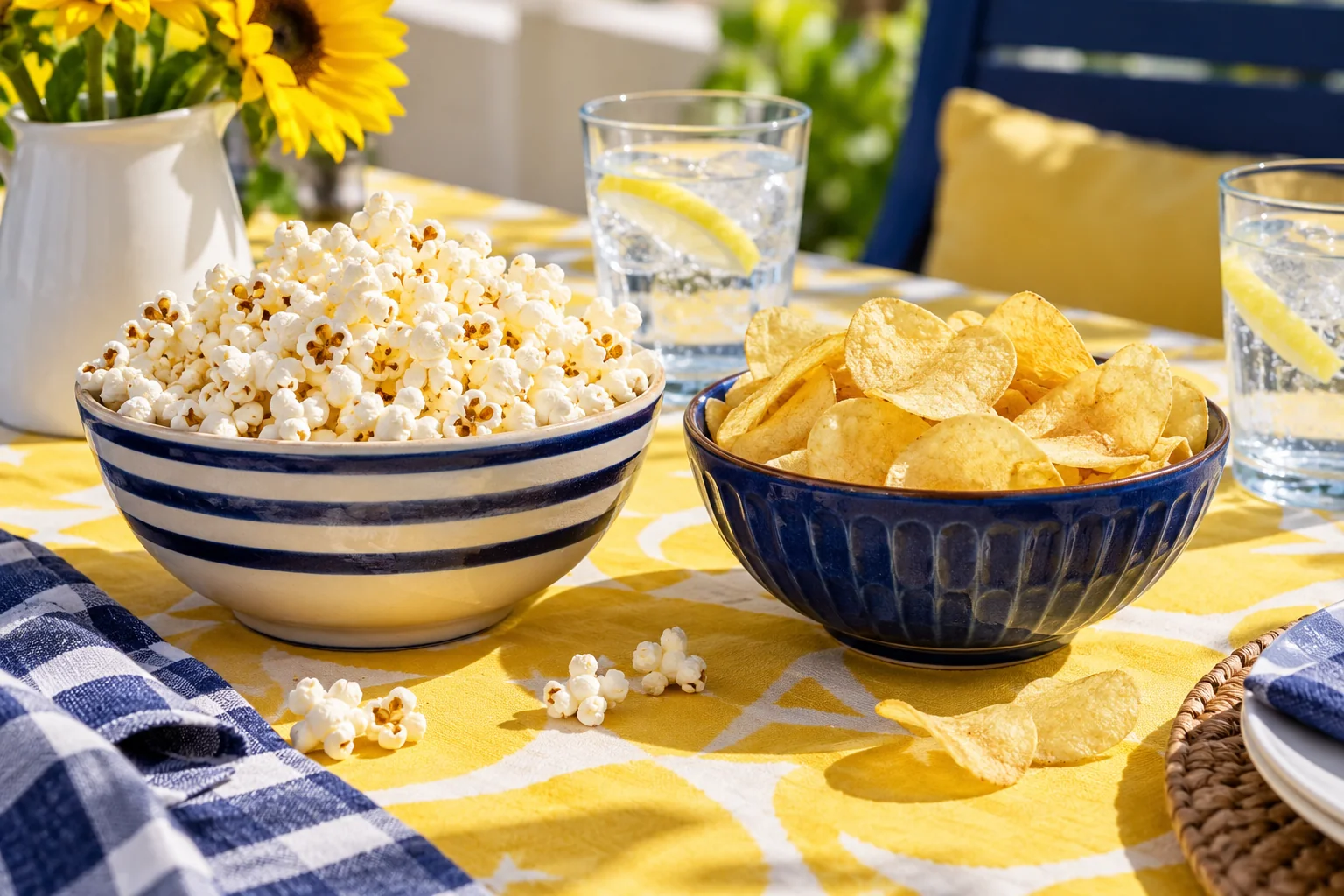
In a small US study, the larger low-fat popcorn serving produced greater reported fullness than potato chips. Combined snack-and-lunch energy was lower in the popcorn conditions than the chip condition.
The foods were not matched for calories: the larger popcorn portion supplied 100 kcal and the chips 150 kcal. Participants could also see the very different volumes. The result describes those snack combinations; it does not isolate a special popcorn ingredient.
Why “felt fuller” is not “lost weight”
The experiment followed appetite over a short interval and one lunch. It did not measure what people ate that evening, their usual snacking over months or a change in body weight. That gap matters when an interesting result becomes a headline promising weight loss.
For an everyday choice, fullness is still useful information. A snack that you enjoy and that suits your appetite can be practical. But your own experience should not be translated into a precise claim that the food will offset all its energy later. Nor should a study percentage become a personal compensation rule.
The sensible question is whether the snack works in your routine, rather than whether it has won a permanent place at the top of a food ranking.
The toppings can change the answer
A plain bowl, a salted microwave bag and a caramel-coated tub need separate label checks. Looking only at the word popcorn misses the ingredients and the amount eaten. If a serving looks surprisingly small, check how many servings the packet contains before comparing it with a single portion of chips.
Cooking at home can make the ingredients easier to see, but the result still depends on what goes into the pan and onto the finished food. A homemade label does not erase oil, butter or sugar. Equally, packaging alone does not tell you that a snack is unsuitable.
Compare the actual options available to you. A lower-energy popcorn serving can be a useful choice without becoming unlimited food.
A useful snack comparison has four parts
Base food
Popped corn and potato chips are not the same preparation.
Toppings
Added butter, oil or caramel changes the snack being compared.
Portion
The bowl, packet and labelled serving may be very different amounts.
Time
Fullness half an hour later is not proof of a long-term weight change.
Volume can help, but it can also confuse portions
Popped corn fills a bowl with a relatively airy shape. A large-looking bowl is therefore not automatically the same amount as a bowl of dense snack food. That is one reason comparing only cups or handfuls can mislead.
For packaged food, the label's gram amount offers a clearer starting point. If you want to understand your usual serving, weighing it once can make the difference between a labelled portion and your own bowl visible. You do not need to weigh every snack indefinitely or make eating feel like an exam.
There is also no need to copy the experimental serving. A trial portion was chosen to answer a research question, not to prescribe what every reader should eat. Hunger, the rest of the meal and individual dietary needs matter.
A practical way to make the switch
Consider one ordinary snack occasion. Choose the popcorn product you like, put the amount you intend to eat in a bowl and compare its label with the chips you would otherwise have chosen. Notice taste and satisfaction as well as ingredients. An alternative you dislike may not be a sustainable alternative.
Keep the change specific. “I am trying this instead of my usual chips” is easier to evaluate than “Popcorn will improve my whole diet”. Other meals still deserve attention, and a single snack does not have to carry the entire burden of healthy eating.
The commercial context belongs in the answer
The research was funded by ConAgra, which makes popcorn, and one author was an employee. That does not automatically invalidate the findings, but it belongs beside the short duration and narrow comparison. The evidence supports an option worth considering; it does not justify promoting a brand or calling all popcorn a weight-management food.
Sources & further reading
Study years differ from this article’s publication date. We reviewed full primary papers and relevant supporting material; access limitations are kept out of efficacy claims. Original illustrations and diagrams; no publisher figures reproduced. Educational writing, not clinical review.
Published 11 October 2026 · Sources checked 11 October 2026. Suggest a correction.