Research 2021
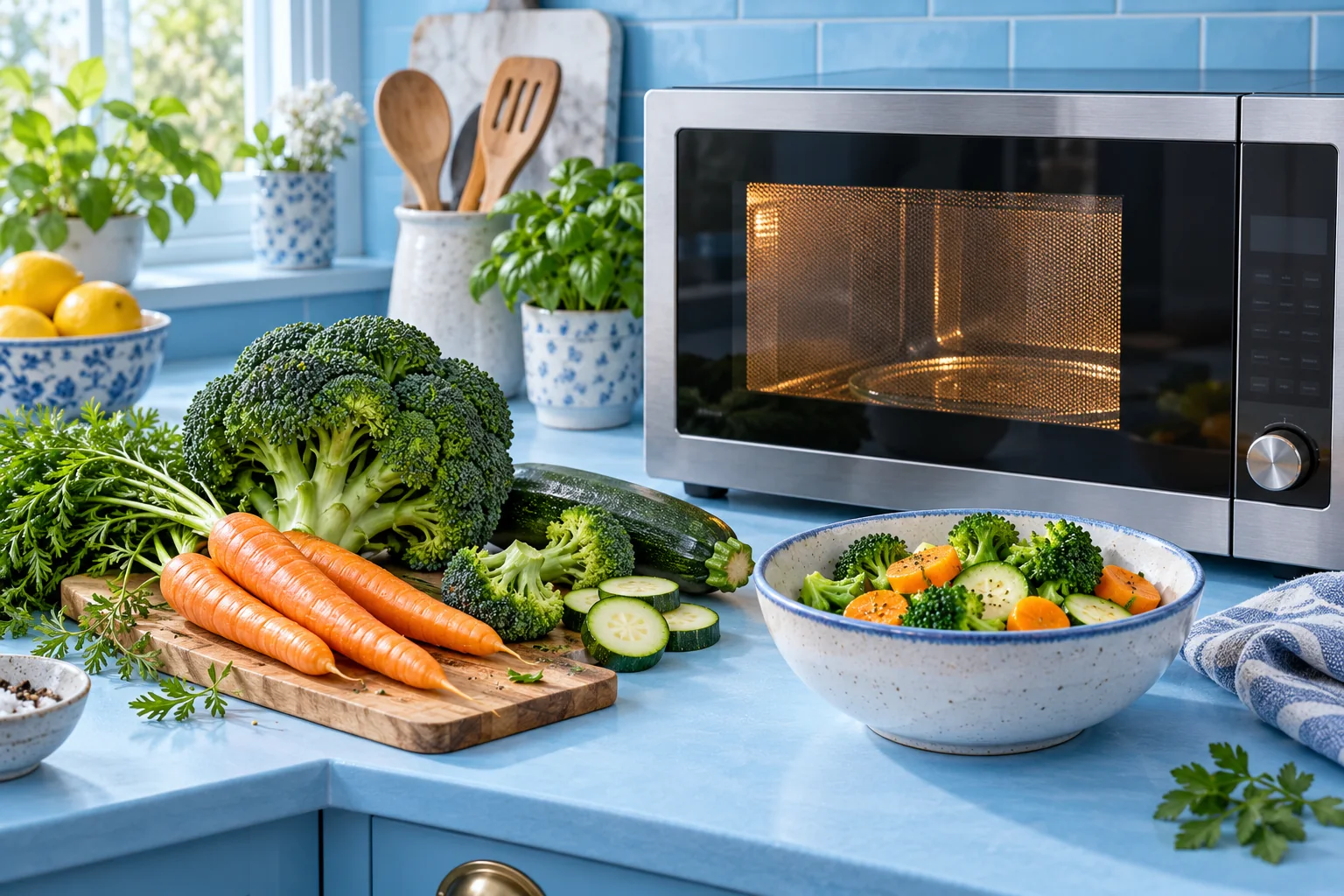
Does microwaving vegetables destroy their nutrients?
A Brazilian cooking experiment shows why nutrient changes depend on the vegetable, water and method rather than a blanket microwave verdict.
Take a bite →Research papers are a lot to chew. We unpack the findings, keep the caveats, and bring the conversation back to everyday food.
Research 2021
A Brazilian cooking experiment shows why nutrient changes depend on the vegetable, water and method rather than a blanket microwave verdict.
Take a bite →
Research 2022 & 2024
Less added oil is only one part of the comparison. Turkish and Chinese food experiments show why acrylamide results depend on cooking conditions.
Take a bite →
Research 2017 & 2025
Two US juice studies measured weight and microbiome changes, not toxin removal. Why a short-term change does not establish a cleanse benefit.
Take a bite →
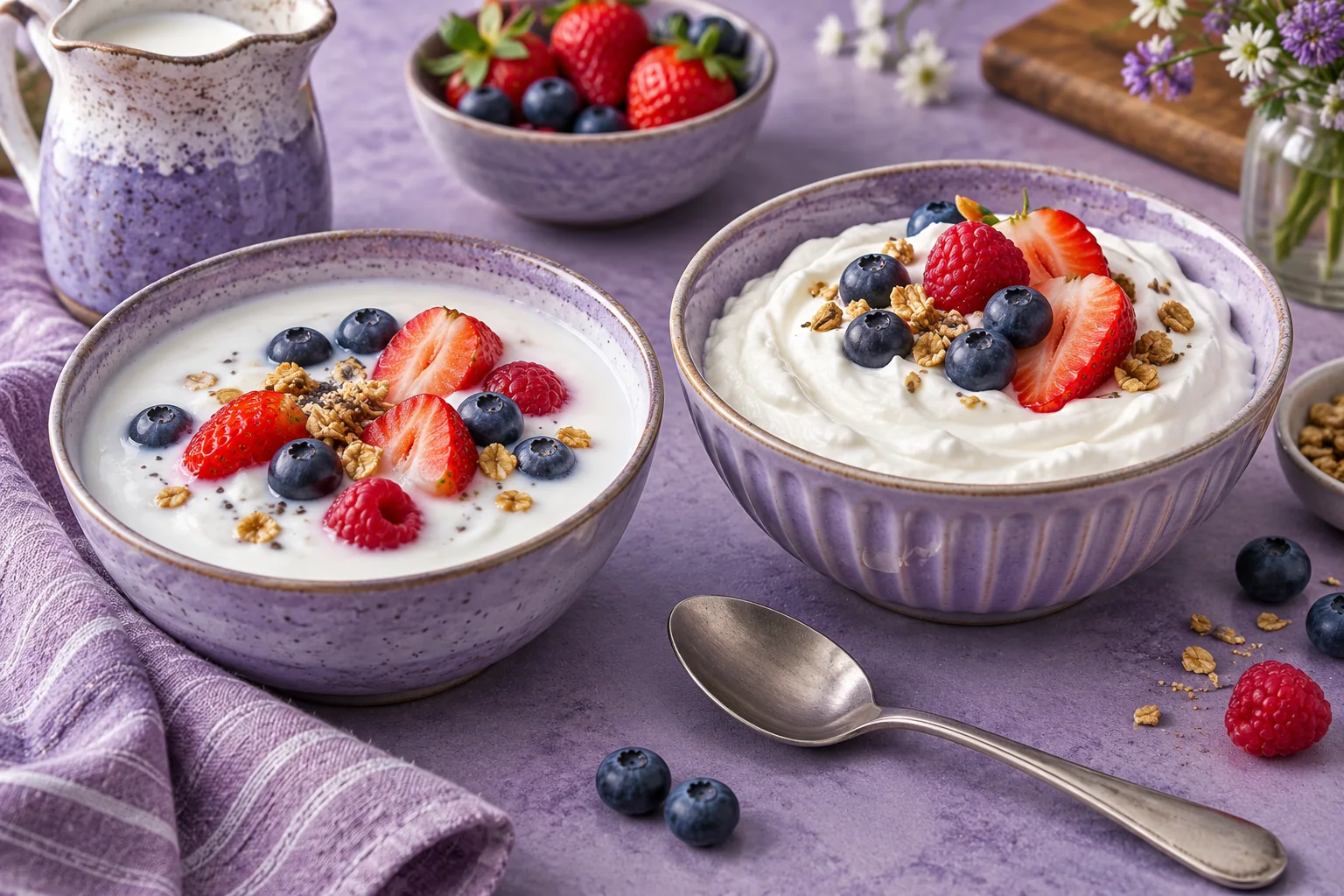
Research 2013 & 2025
A direct US comparison found no clear appetite advantage, while a Jordanian peanut comparison asked a different question. How to choose a useful yogurt snack.
Take a bite →
Research 2022 & 2023
UK and US blueberry trials found selective cognitive changes, not a guaranteed memory boost. Understand the mixed results before buying into a brain-food promise.
Take a bite →
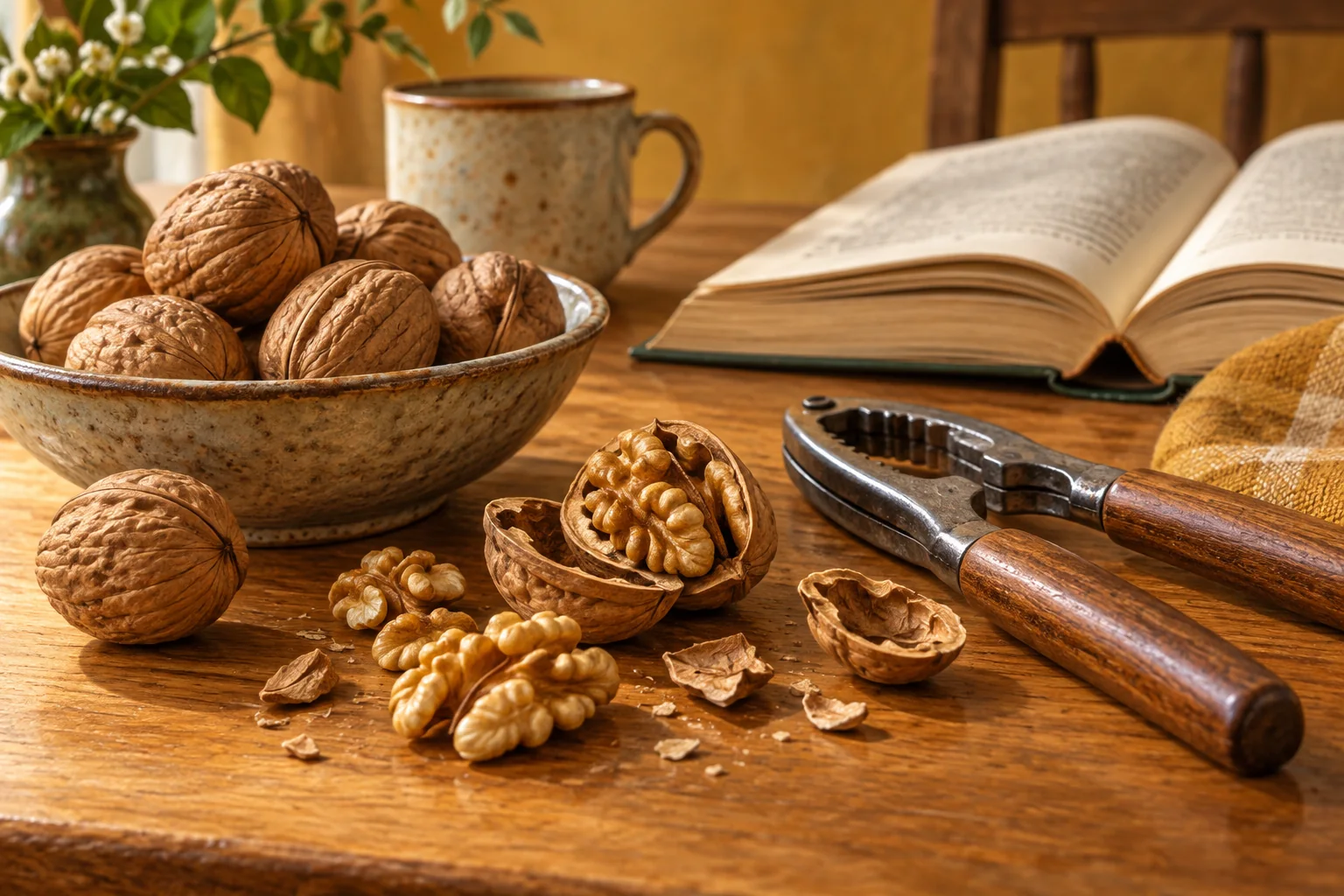
Research 2020
A two-year trial in Spain and the US did not find a clear overall cognitive benefit from walnuts. What the brain-food label leaves out.
Take a bite →
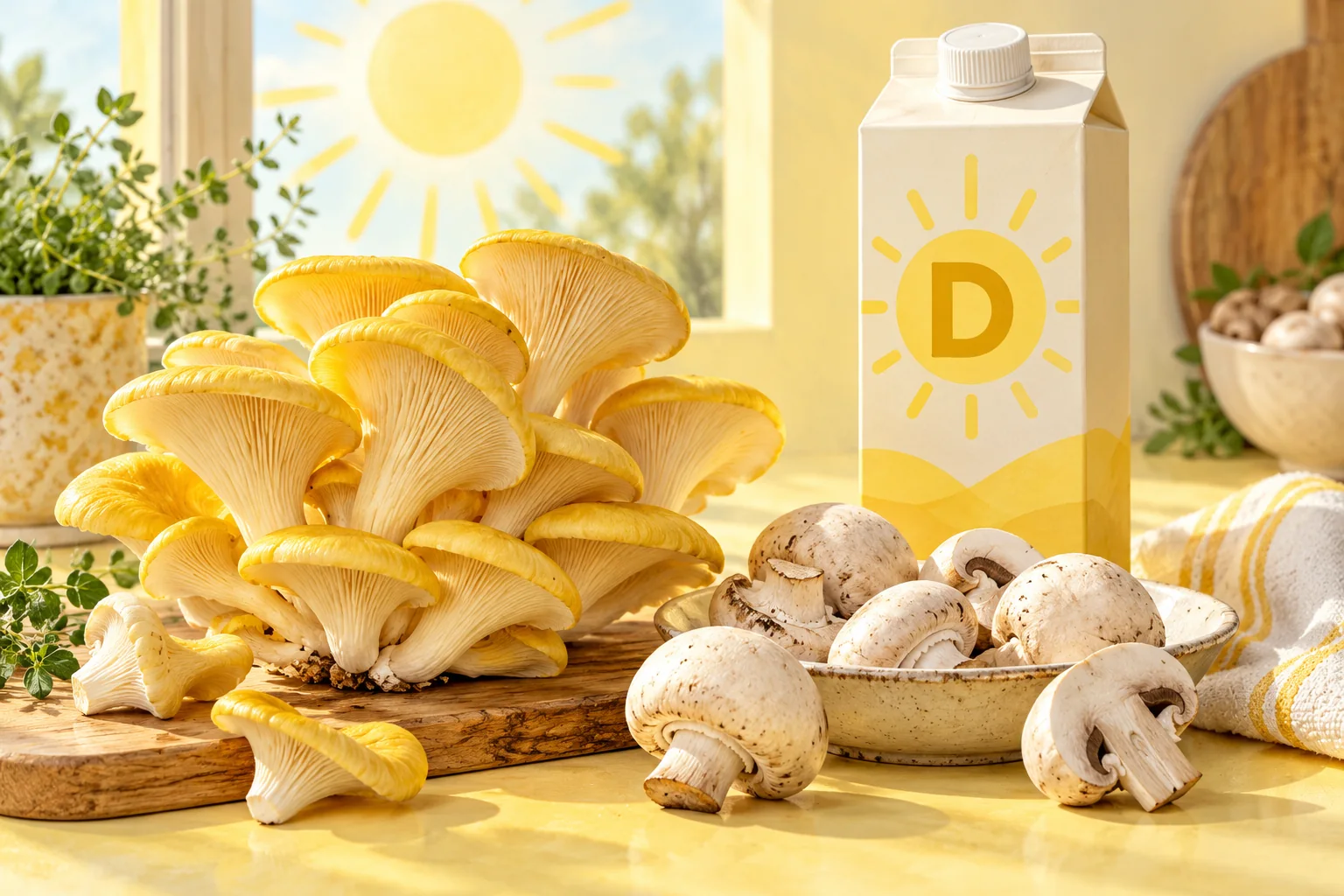
Research 2013 & 2025
UV-treated mushrooms can supply vitamin D2, but ordinary mushrooms and concentrated powders are not interchangeable. Trials from Ireland and Taiwan clarify the limits.
Take a bite →
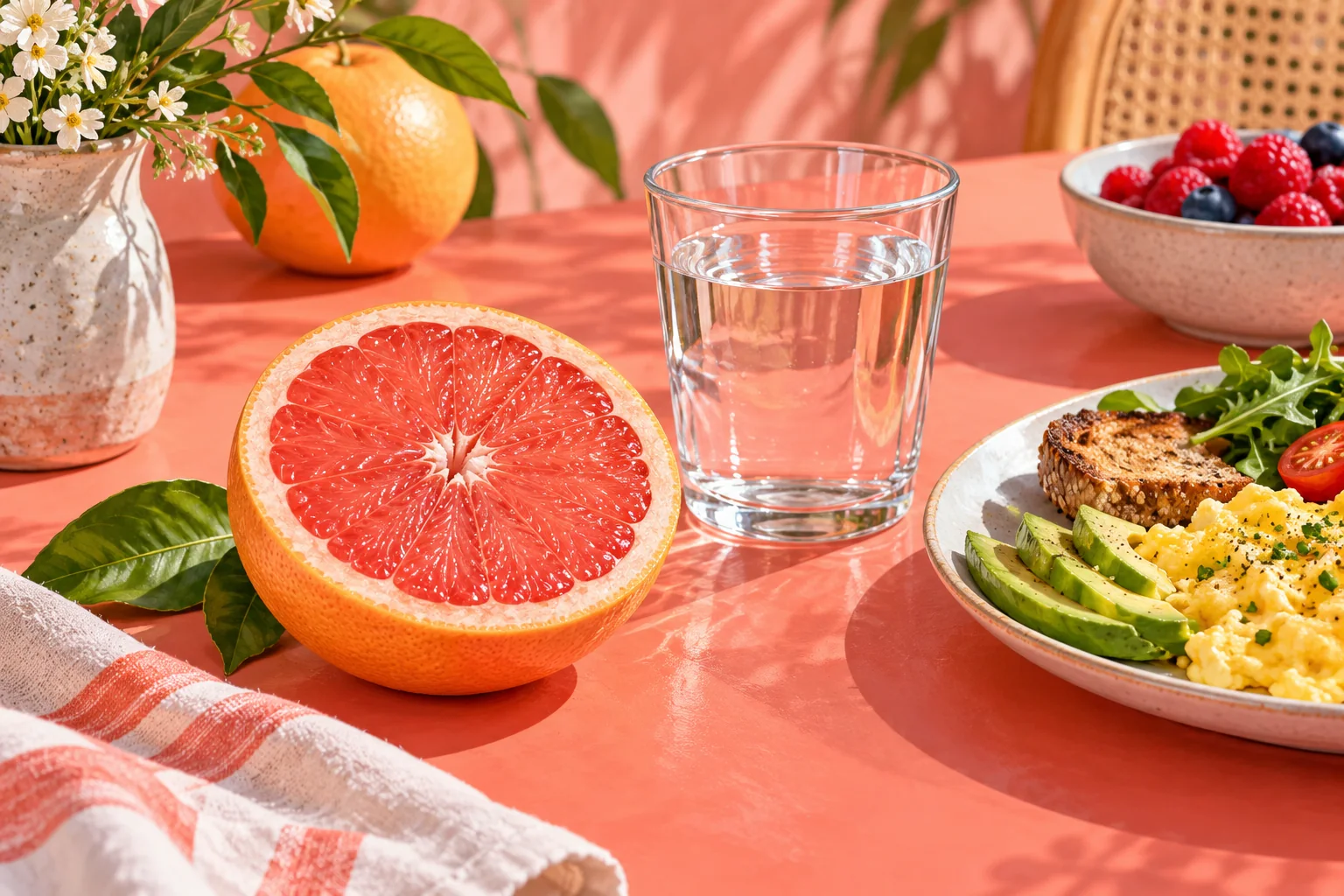
Research 2011
A US trial did not show a special weight-loss advantage over water during a structured diet. Grapefruit is food, not a fat burner—and medication interactions matter.
Take a bite →
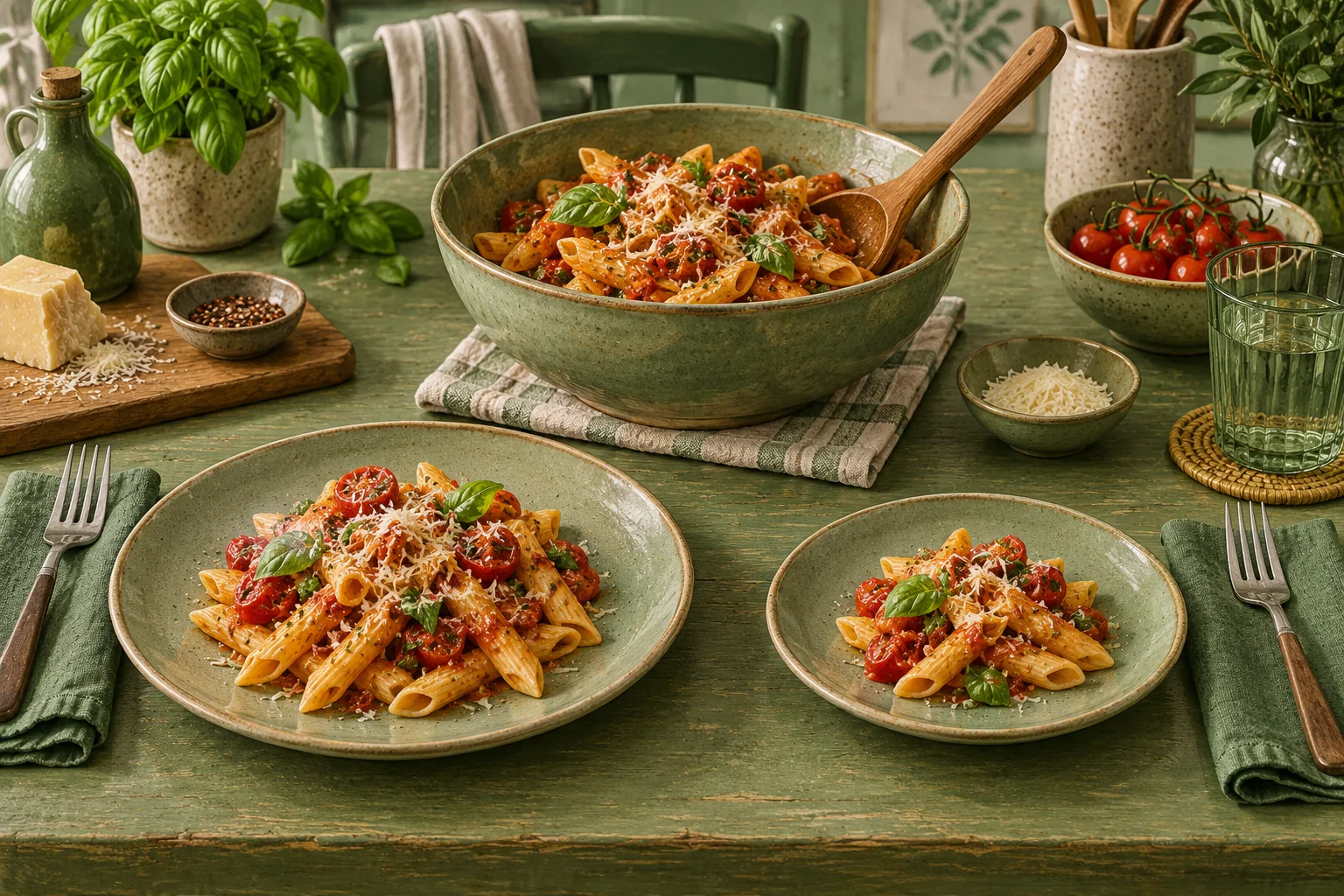
Research 2019 & 2021
Changing a plate is not the same as changing the food portion. UK randomized experiments explain why the popular smaller-plate trick is uncertain.
Take a bite →
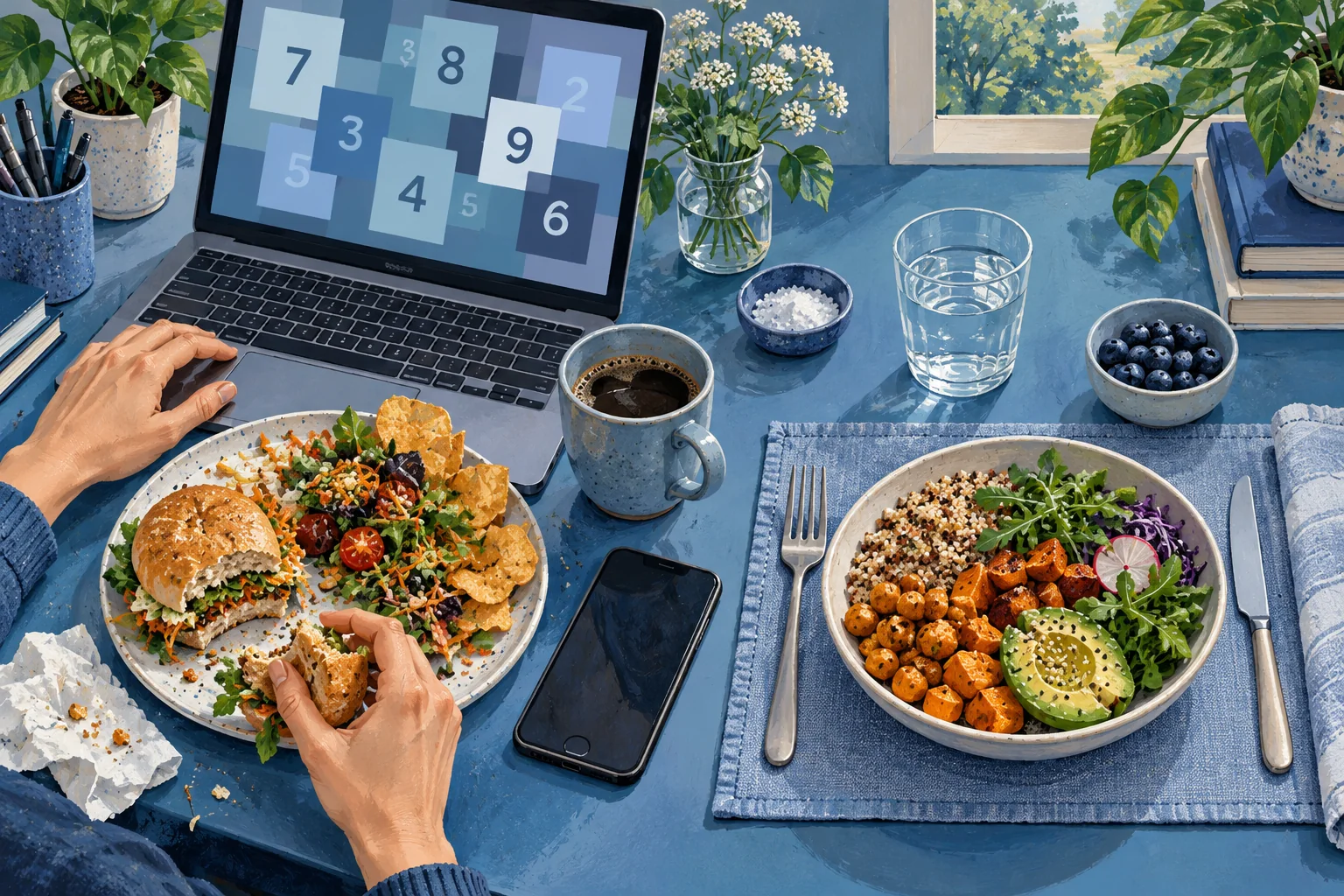
Research 2020
Distraction can change meal memory, but not every task increases intake. A US crossover experiment explains why screen-time and food claims need context.
Take a bite →
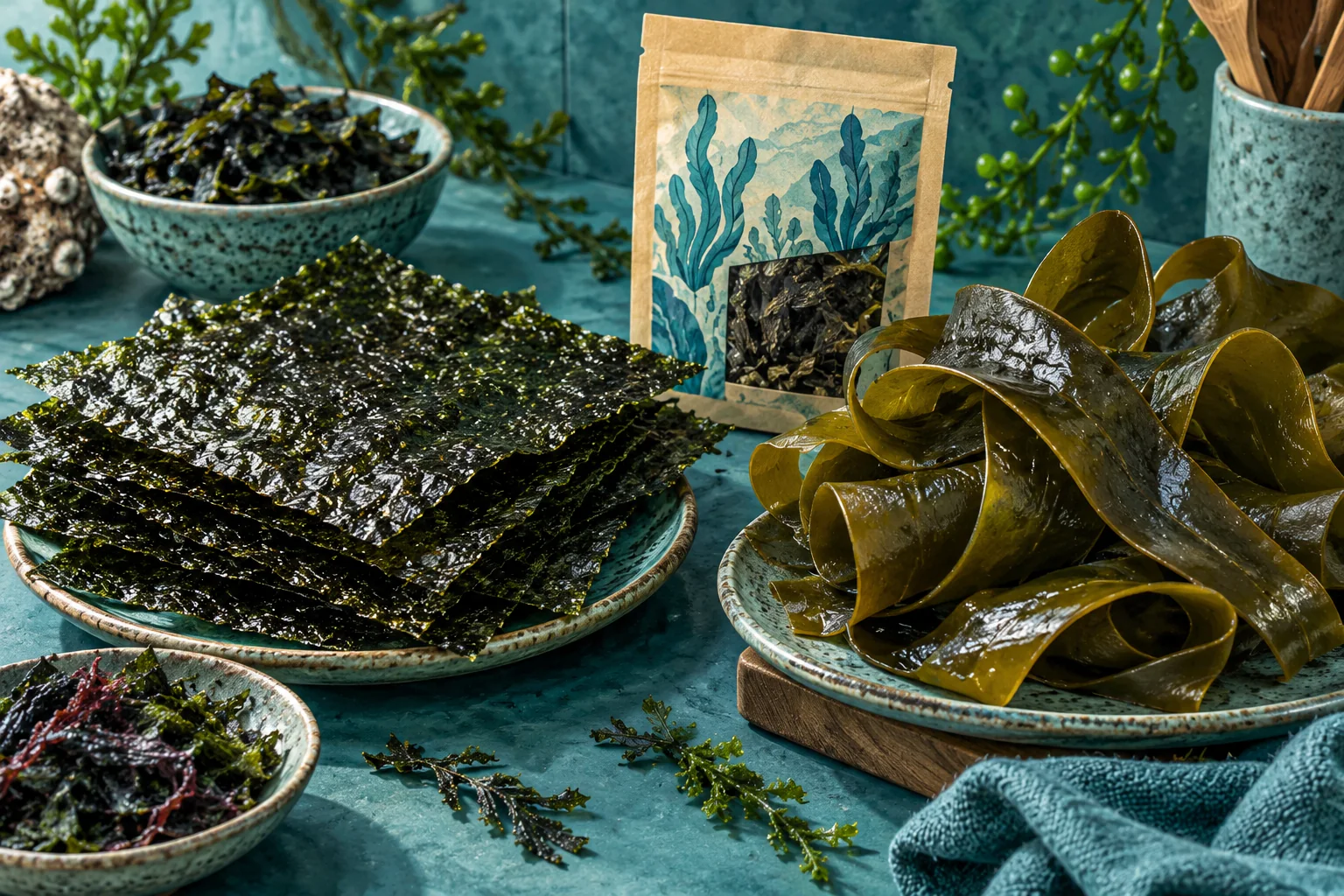
Research 2021 & 2026
Seaweed supplies iodine, but kelp products can vary widely. Norwegian and Japanese studies show why nutrient source, serving and thyroid outcomes need separate answers.
Take a bite →
Research 2012 & 2013
An eight-week randomized trial did not show extra weight loss, despite high adherence. Why feeling less snacky and changing body weight are separate questions.
Take a bite →
Research 2021, 2025
Structured digital CBT-I can help diagnosed insomnia. A US trial and a Norwegian comparison explain where it fits—and why sleep tips are different.
Take a bite →
Research 2020, 2024
Weighted blankets may improve perceived sleep for some adults, but objective outcomes and insomnia scores are mixed. Compare Chinese and Swedish trials.
Take a bite →
Research 2022
A year-long UK trial reduced sitting, mainly by replacing it with standing. That is not proof of weight loss or heart-disease prevention.
Take a bite →These are educational explainers, drafted with AI assistance and checked against linked sources. They are not clinically reviewed. We combine complementary studies from 2010 onward to answer useful everyday questions. Publication date and data-collection date are different: recent papers can analyse older data. We include uncertain and null findings, not just exciting positive results.
How we read the evidence · Follow the RSS feed · Explore practical guides · Portion maths, with chai
The extra 508 calories: what a small feeding trial really tells us
Earlier evidence remains useful when read alongside newer work. This controlled food experiment is a useful starting point.